Perusta sinäkin oma Blogaaja.fi blogi ilmaiseksi >>
Lainaa.com

Understanding Coffee Temperature

The Crucial Role in Brewing, Flavor, and Experience

Introduction

Coffee is a nuanced beverage, with subtle flavors that are shaped by everything from the origin of the beans to the method of preparation. Among these factors, temperature is one of the most influential yet often overlooked aspects of brewing coffee. Whether you’re brewing espresso, pour-over, or French press, the temperature at each step—from the water to the final sip—has a profound impact on the extraction process, flavor profile, and overall drinking experience.

Coffee Temperature

This comprehensive guide will explore the importance of coffee temperature, examining how water temperature affects extraction, why serving temperature matters, and how different brewing methods benefit from specific temperature ranges. We’ll also delve into the science behind the ideal temperatures for brewing, and offer tips for achieving the perfect cup of coffee every time.

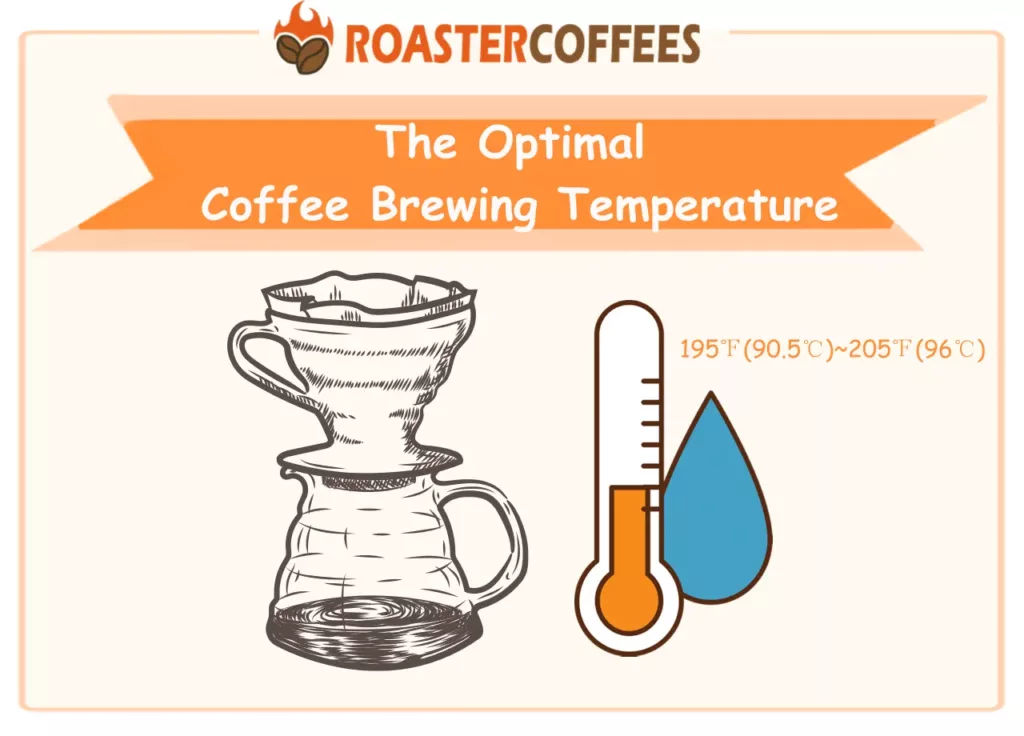
Water temperature plays a significant role in how much caffeine is extracted from coffee grounds during brewing. Generally, hotter water leads to faster and more efficient caffeine extraction, while cooler water extracts caffeine more slowly and less completely. Most brewing methods use water between 195–205°F (90–96°C), which is considered the optimal range for extracting both flavor compounds and caffeine. Within this range, caffeine dissolves readily, contributing to a strong, fully extracted cup.

When water is too hot—above 205°F—it can lead to over-extraction. This doesn’t necessarily increase caffeine dramatically, but it can elevate bitterness, making the coffee taste stronger than it is. Conversely, water that is too cool—such as in cold brew, which uses room-temperature or cold water—extracts caffeine slowly over many hours. Despite the lower temperature, the long steeping time often results in high total caffeine content.

Different brewing methods highlight this relationship. Espresso uses near-boiling water with high pressure for rapid caffeine extraction, while cold brew relies on time rather than heat.

For those wanting to estimate how water temperature, brewing time, and method affect caffeine levels, a caffeine calculator can be a helpful tool. It provides personalized caffeine estimates based on variables such as brew method, coffee ratio, and temperature.

1. The Science of Coffee Extraction and Temperature


How Temperature Affects Extraction

Extraction refers to the process in which water dissolves the soluble compounds in coffee grounds, such as sugars, oils, acids, and proteins, which contribute to the flavor of the coffee. The ideal temperature range for extraction plays a significant role in determining how well these compounds are dissolved and how balanced the resulting cup will be.

Under-Extraction (Low Temperature): When water is too cold, the extraction process slows down. This results in a cup that may taste sour, underdeveloped, or weak, as fewer soluble compounds are drawn from the coffee grounds.

Over-Extraction (High Temperature): On the other hand, if the water is too hot, the extraction can be excessive, leading to a bitter, astringent, or harsh flavor. Too much heat can cause undesirable compounds like tannins to be dissolved, which contribute to an overly bitter taste.

Optimal Extraction: The ideal temperature ensures that the extraction process is neither too slow nor too fast, leading to a cup that is balanced, flavorful, and aromatic.

Understanding this balance between under-extraction and over-extraction is essential for brewing high-quality coffee.

The Ideal Brewing Temperature Range

The general consensus among coffee experts is that the ideal brewing temperature for coffee lies between 90°C (194°F) and 96°C (205°F). This range allows for the proper extraction of flavors without over-extracting bitter compounds or under-extracting the desirable ones.

Lower end (90°C / 194°F): Best for light roasts or beans with delicate, floral, and fruity profiles, where the goal is to preserve the bright acidity of the coffee.

Higher end (96°C / 205°F): Suitable for dark roasts, where the goal is to extract the deeper, caramelized sugars without emphasizing acidity.

What Happens When Water Temperature Is Too High or Too Low?

Too High (Over 96°C / 205°F): At higher temperatures, more bitter compounds are extracted, leading to a cup that may taste burnt, bitter, or overly harsh. Espresso, which involves high-pressure extraction, benefits from a precise temperature, as too much heat can cause undesirable flavors and decrease consistency.

Too Low (Under 90°C / 194°F): Low-temperature water results in under-extraction, where the coffee tastes sour, weak, or watery, as the water fails to dissolve enough of the coffee’s soluble compounds. This often happens in methods like pour-over if the water cools too quickly during the brewing process.
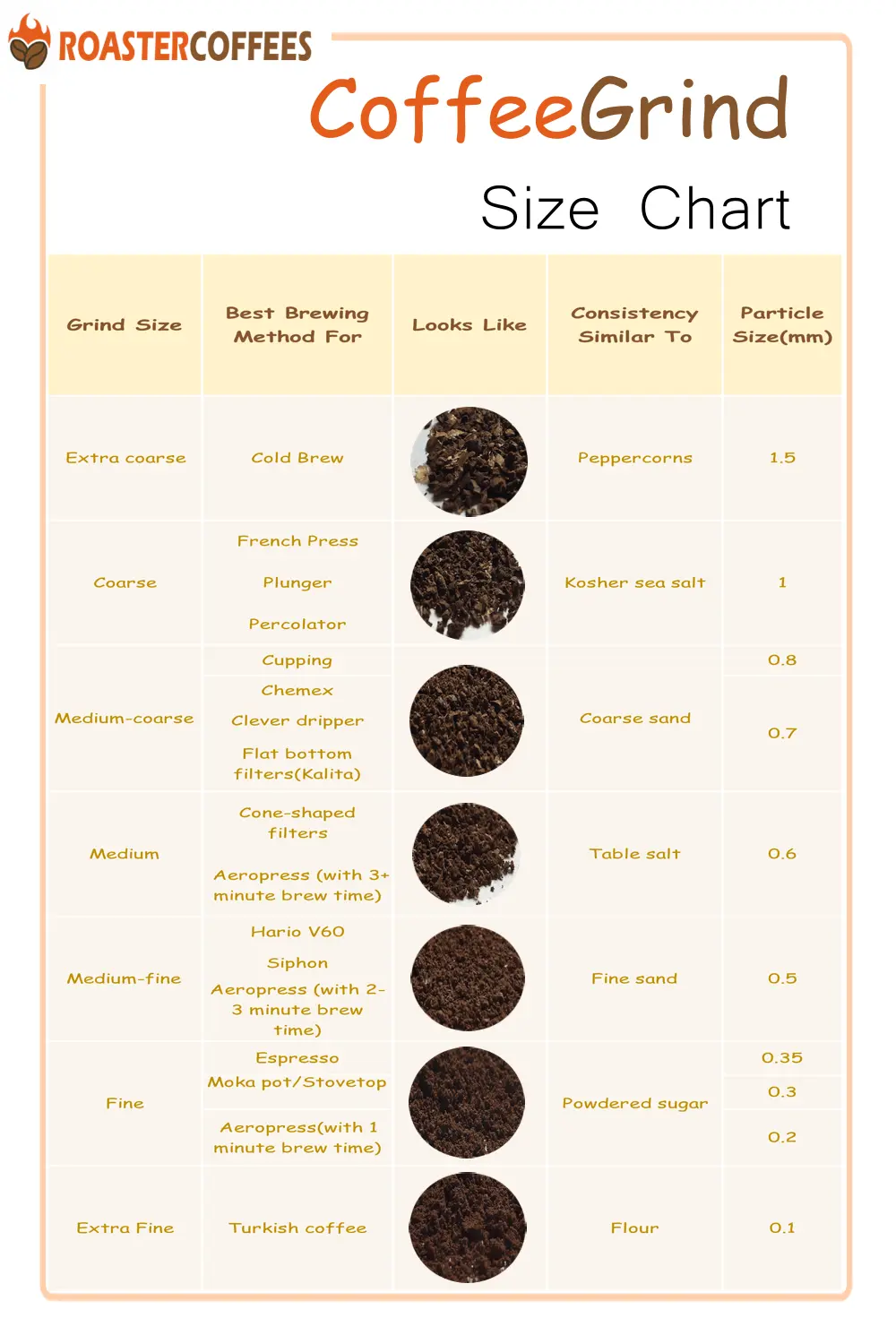


Coffee Grind Size Chart

2. Brewing Methods and Ideal Temperatures

Different brewing methods benefit from specific temperature ranges. Understanding these nuances can help you brew a more consistent, flavorful cup, whether you’re using a French press, espresso machine, pour-over, or drip coffee maker.

Espresso

Espresso extraction is one of the most temperature-sensitive brewing methods, requiring precise control to achieve balanced results.

Ideal Temperature Range: 90°C–96°C (194°F–205°F)

Why It Matters: Espresso machines typically maintain water temperature with a PID (proportional-integral-derivative) controller to keep the temperature consistent during the brew. Any deviation from the ideal temperature can cause the espresso to be under-extracted or over-extracted, resulting in sourness or bitterness.

Espresso also involves high pressure (9 bars), which means water temperature must be carefully controlled for optimal crema formation, balanced extraction, and flavor complexity.

Pour-Over Coffee

Pour-over coffee requires precise water temperature control, as the water is poured manually over the coffee grounds.

Ideal Temperature Range: 90°C–94°C (194°F–201°F)

Why It Matters: Pour-over brewing gives you more control over the extraction process, but it also requires you to be mindful of the water temperature as it cools during the pour. The lower end of the temperature range is ideal for lighter roasts, while the higher end works well for medium or dark roasts.

Pour-over methods like the V60 or Chemex benefit from a slow and steady pour, ensuring even saturation of the grounds. Too hot or too cold water can lead to uneven extraction and a less balanced cup.

French Press

French press coffee uses coarser grounds and a longer extraction time, so the temperature range needs to be maintained for optimal results.

Ideal Temperature Range: 93°C–96°C (199°F–205°F)

Why It Matters: Since French press coffee involves steeping the grounds for several minutes, it benefits from water at the higher end of the temperature spectrum. This ensures full extraction of the coffee’s oils and soluble compounds, resulting in a rich, full-bodied cup.

If the water is too cold, the coffee may lack flavor complexity, and if it’s too hot, the extraction may become too harsh, resulting in bitterness.

Drip Coffee

Drip coffee makers, especially high-quality machines, are designed to brew coffee at specific temperatures. The water is typically heated in a reservoir and then dripped over the coffee grounds.

Ideal Temperature Range: 90°C–96°C (194°F–205°F)

Why It Matters: Consistency in temperature ensures that the water can fully extract the coffee’s flavors. If the water is too cold, the brew will be weak and under-extracted. Too hot, and you risk bitterness and over-extraction.
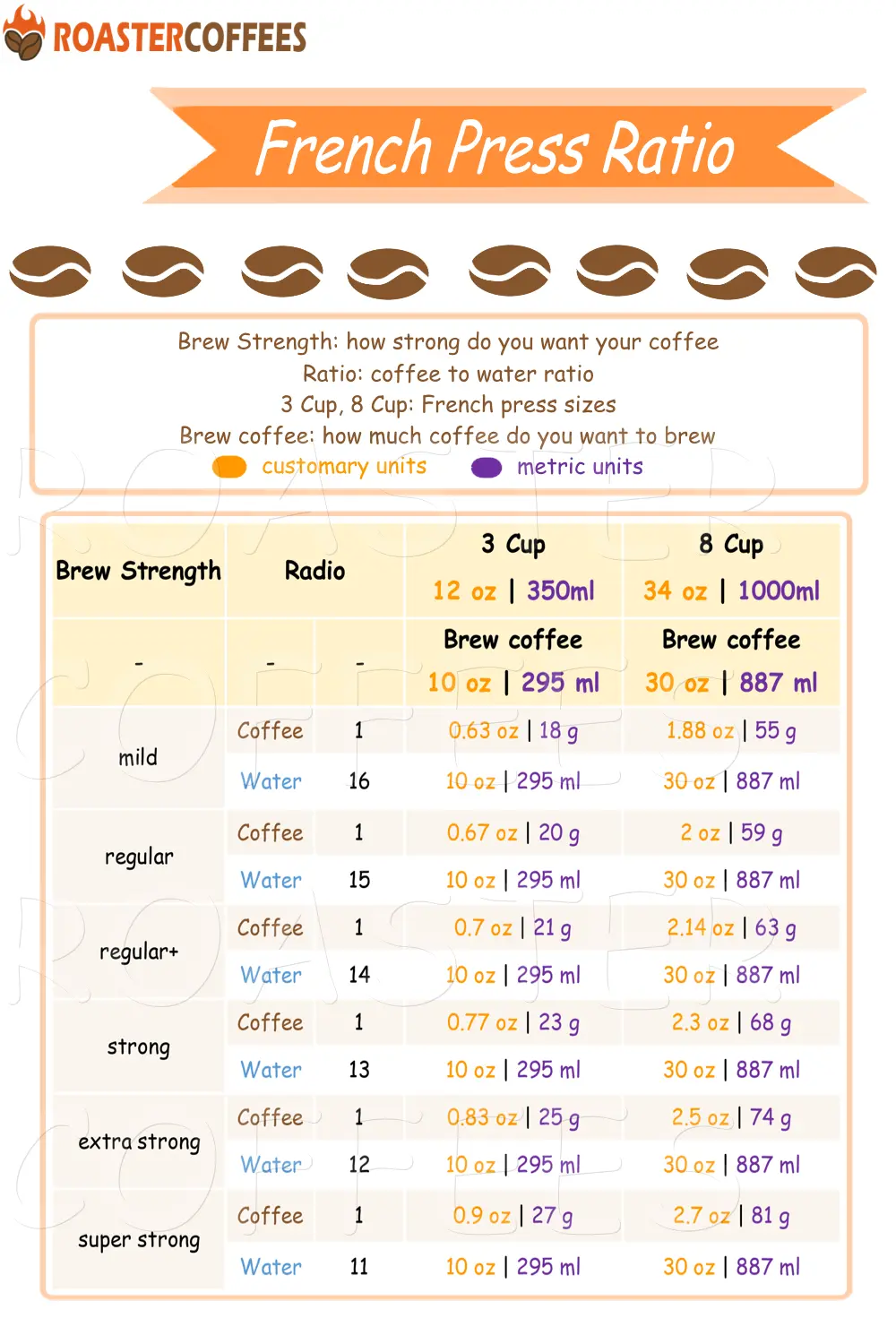


French Press Coffee Ratio

3. The Importance of Serving Temperature

The temperature at which coffee is served also plays a vital role in how it’s experienced. While the brewing temperature affects extraction, the serving temperature influences how the coffee tastes and feels in your mouth.

Ideal Serving Temperature

Espresso: Ideally served between 65°C (149°F) and 70°C (158°F). This allows the espresso to retain its complex flavors, especially the crema, which forms the base of the espresso shot.

Lattes and Cappuccinos: Served between 55°C (131°F) and 65°C (149°F). These drinks benefit from a lower serving temperature, as it allows the milk’s sweetness to shine while maintaining a comfortable temperature for drinking.

Drip Coffee: Served around 60°C (140°F). While this can vary depending on personal preference, coffee is generally too hot to drink immediately after brewing. Letting it cool slightly will allow for a fuller appreciation of the flavors.

Serving Temperatures and Flavor Perception

The temperature of your coffee significantly impacts its flavor profile. Coffee served too hot will mask some of the more delicate flavors, making it harder to distinguish complex tasting notes like florals, fruits, or spices. Conversely, coffee that’s served too cold can taste flat and stale.

The relationship between water temperature and coffee grind size is essential for achieving balanced extraction and optimal flavor. Water temperature determines how quickly soluble compounds dissolve, while grind size controls how much surface area is available for extraction. Together, they dictate the overall brewing efficiency and taste.

Hotter water (195–205°F or 90–96°C) extracts flavor and caffeine more rapidly. When brewing with higher temperatures, a slightly coarser grind is often appropriate to prevent over-extraction, bitterness, or harsh flavors. For example, in pour-over brewing with very hot water, using a medium or medium-coarse grind helps maintain balance.

Conversely, cooler water extracts more slowly and requires a finer grind to increase surface area and compensate for the slower extraction rate. This is why cold brew—made with room-temperature or cold water—uses a coarse grind but brews for many hours, while lower-temperature immersion methods may call for a finer grind to avoid weak, under-extracted coffee.

Matching the correct temperature–grind combination ensures consistent extraction. Referring to a coffee grind size chart helps identify the ideal grind size for each brewing method, which can then be paired with the proper water temperature. When both variables are aligned, the resulting cup is smoother, more balanced, and true to the coffee’s flavor potential.

4. How to Achieve the Perfect Coffee Temperature

Achieving the ideal temperature for brewing and serving involves more than just turning on your machine and letting it run. Here are some practical tips for achieving the perfect temperature at every stage:

1. Use a Good Thermometer

To monitor the water temperature, invest in a digital thermometer. This is particularly useful for manual methods like pour-over or French press, where temperature can fluctuate.

2. Preheat Your Equipment

Preheating your carafes, cups, or brew vessels ensures that the coffee won’t lose too much heat during brewing or serving. This is especially important for French press and pour-over methods.

3. Invest in a Temperature-Controlled Kettle

A gooseneck kettle with temperature control is ideal for pour-over brewing. It allows you to control the temperature precisely and maintain it during the brewing process.

4. Allow the Coffee to Rest Before Drinking

Let your coffee rest for a few minutes after brewing to reach the optimal drinking temperature. It’s always better to let it cool slightly than to risk burning your tongue with too-hot coffee.

5. The Impact of Temperature on Coffee Quality

Temperature can make or break a coffee’s flavor profile. Here’s a look at how different aspects of the coffee experience are influenced by temperature:

Flavor: The balance of acidity, sweetness, and bitterness is heavily affected by temperature. A too-cold cup will lack vibrancy, while a too-hot cup will taste dull and bitter.

Aroma: Coffee’s aroma is best experienced at optimal temperatures, as heat releases volatile compounds that are crucial to a coffee’s scent.

Mouthfeel: The temperature also affects the perceived body of the coffee. Warmer coffee often has a fuller, richer mouthfeel, while cooler coffee can feel thin and watery.

Conclusion

Coffee temperature is one of the most important—and often overlooked—factors in brewing a great cup of coffee. From extraction to serving temperature, each stage of the coffee-making process relies on precise temperature control to unlock the full potential of the coffee beans. Understanding the science behind coffee temperature will allow you to optimize your brewing techniques, resulting in a more flavorful, balanced cup of coffee.

With this knowledge, you can refine your coffee-making skills and appreciate the subtlety of how temperature affects everything from the coffee’s taste to its aroma. Whether you’re a home brewer or a professional barista, mastering coffee temperature is a step towards creating the perfect cup every time.


References:

The Importance of Roasting Date: What Can You Get from Your Coffee’s Freshness?

How Long Does It Take for Coffee to Expire? A Professional Guide to Shelf Life, Freshness, and Flavor

The Art Of Crafting The Perfect Iced Coffee: A Barista’s Guide to Chilled Perfection

Introduction

In the sweltering heat of summer or the cozy ambiance of a café year-round, iced coffee has cemented its place as a beloved beverage. But what separates a mediocre iced coffee from one that dances on the palate with complexity and balance? As a professional barista and coffee enthusiast, I’ve spent years refining the craft of iced coffee, experimenting with techniques, ratios, and flavors. In this deep dive, we’ll explore the science, creativity, and meticulous attention to detail required to elevate iced coffee from a simple chilled drink to a work of art.

The Art Of Crafting The Perfect Iced Coffee

1. The Evolution of Iced Coffee: From Afterthought to Specialty

Iced coffee isn’t just hot coffee poured over ice – it’s a category of its own, with roots tracing back centuries. The earliest recorded iced coffee recipes emerged in 19th-century Algeria, where French soldiers mixed cold water with coffee syrup. Fast-forward to today, and iced coffee has become a global phenomenon, with regional variations like Vietnam’s cà phê đá (strong drip coffee with sweetened condensed milk), Greece’s frappé, and Japan’s kōri kōhī (flash-chilled pour-over).

Regional Deep Dives:

Vietnam’s Cà Phê Đá: This iconic drink uses a small metal phin filter to slowly drip robusta coffee over ice and sweetened condensed milk. The result is a bold, caramelized flavor with a velvety texture.


The caffeine content of iced coffee depends on factors such as the brewing method, coffee-to-water ratio, and serving size. Typically, iced coffee is made by brewing hot coffee and then cooling it over ice, retaining the same caffeine content as its hot counterpart. A standard 16-ounce iced coffee contains approximately 165–200 mg of caffeine, depending on the beans and brewing method used. Cold brew, often confused with iced coffee, has a higher caffeine concentration due to extended steeping. To estimate your caffeine intake based on brew strength and volume, a caffeine calculator can help determine the exact caffeine content.

Greek Frappé: Born in 1957 at the Thessaloniki International Fair, this frothy blend of instant coffee, sugar, water, and milk is shaken vigorously to create a foamy top. It’s a symbol of Greek café culture.

Japanese Iced Coffee: Precision is key here. Brewers use a pour-over method where hot water extracts flavors directly onto ice, preserving bright acidity and floral notes.

Modern specialty coffee shops have redefined iced coffee by treating it with the same reverence as its hot counterpart. The key? Understanding that temperature changes extraction, dilution, and flavor perception. A poorly executed iced coffee often tastes bitter, watery, or overly acidic – a far cry from the bright, smooth, and nuanced profiles achievable with intentional methods.

2. The Science of Cold Extraction: Why Technique Matters

a. Cold Brew vs. Flash-Chilled: Breaking Down Methods

Cold Brew: Steeping coarsely ground coffee in cold water for 12–24 hours produces a low-acidity, naturally sweet concentrate. Ideal for those sensitive to acidity, cold brew’s slow extraction minimizes bitter compounds.

Pro Tip: Use a 1:8 coffee-to-water ratio for concentrate, diluted 1:1 with water or milk.

Advanced Hack: For a cleaner brew, agitate the grounds gently after 6 hours to ensure even extraction.

Japanese Iced Coffee (Flash-Chilled): Brewing hot coffee directly onto ice (typically a 1:1 coffee-to-ice ratio) locks in volatile aromatics while rapidly cooling the brew. This method preserves the origin’s floral or fruity notes, making it a favorite for single-origin lovers.

Pro Tip: Adjust your grind size slightly finer than usual to account for the reduced extraction time.

Science Note: Rapid cooling halts oxidation, preserving delicate flavors that hot-brewed coffee loses as it cools naturally.

Espresso Over Ice: A quick fix but risky – pulling espresso onto ice can shock the shot, amplifying bitterness. For balance, try a lungo shot (longer extraction) or pre-chill the espresso before adding ice.

Pro Tip: Use a ristretto shot (shorter, sweeter pull) for a less astringent base.


Coffee Grind Size Chart

b. The Role of Water Quality and Ice

Ice isn’t just a temperature tool – it’s an ingredient. Cloudy, mineral-heavy ice melts unevenly and imparts off-flavors. Use filtered water and clear ice cubes for purity. For cocktails-level sophistication, experiment with coffee ice cubes to prevent dilution.

DIY Coffee Ice Cubes: Freeze leftover cold brew in silicone molds. Add them to milk for a DIY latte or blend into a slushy.

c. Nitro Cold Brew: The Science of Texture

Infusing cold brew with nitrogen gas creates a creamy, Guinness-like texture. The tiny bubbles enhance mouthfeel and sweetness without added calories.

Home Hack: Use a whipped cream charger to nitro-infuse small batches.

3. Beans Matter: Selecting the Right Roast and Origin

Not all beans shine when chilled. Light roasts with bright acidity (Ethiopian Yirgacheffe, Colombian Huila) excel in flash-chilled methods, while medium-dark roasts (Brazilian Santos, Sumatran Mandheling) lend depth to cold brew.

Experiment: Try a naturally processed Ethiopian bean in a Japanese iced coffee – its blueberry notes will sing when chilled. Avoid overly dark roasts; their smoky bitterness can overpower when cold.

Single-Origin Spotlight:

Ethiopian Sidamo: Floral, tea-like notes pair beautifully with flash-chilling.

Guatemala Antigua: Chocolatey undertones shine in cold brew.

Costa Rican Tarrazú: Bright citrus acidity balances well with tonic water in coffee cocktails.

Grind Consistency:

Invest in a burr grinder for uniform particles. Uneven grinds lead to over- or under-extraction. For cold brew, aim for a coarse grind (similar to sea salt).

4. Balancing Flavors: Sweetness, Acidity, and Mouthfeel

a. Sweeteners Beyond Sugar

Simple syrup integrates seamlessly, but consider alternatives:

Agave nectar for a floral touch.

Coconut sugar for caramelized depth.

Vanilla-infused honey for complexity.

b. Dairy and Alternatives

Whole milk adds creaminess, but oat milk’s natural sweetness and frothability make it a barista favorite. For a tropical twist, coconut milk or condensed milk (à la Vietnamese style) adds richness.

Pro Tip: Froth oat milk with a handheld frother for a latte-like texture.


French Press Coffee Ratio

c. Creative Additions

A pinch of sea salt to enhance sweetness.

Citrus zest (orange or lemon) for brightness.

Spices like cinnamon or cardamom steeped in cold brew overnight.

Recipe Idea: Cold brew with orange zest, cinnamon, and a splash of cream for a ”spiced creamsicle” vibe.

5. Presentation: The Visual and Sensory Experience

Iced coffee is as much about aesthetics as taste. Elevate your serve with:

Layered drinks: Float cold foam (whipped cream or frothed milk) atop for texture contrast.

Garnishes: Coffee beans, edible flowers, or cocoa nibs.

Glassware: Mason jars for rustic charm or sleek highball glasses for modern elegance.

The coffee grind size for iced coffee plays a crucial role in flavor extraction and overall strength. The ideal grind size depends on the brewing method used to make iced coffee. If using a drip coffee maker or pour-over method, a medium grind is recommended, similar to sea salt, ensuring balanced extraction without over-extracting bitterness. For cold brew, a coarse grind is best, resembling breadcrumbs, as the extended steeping process (12–24 hours) requires slower extraction to prevent excessive bitterness and acidity.

A coffee grind size chart helps guide the appropriate grind level for different iced coffee brewing methods. For example, espresso-based iced coffee requires a fine grind, similar to table salt, to achieve strong, concentrated flavors. Meanwhile, French press iced coffee also benefits from a coarse grind, preventing over-extraction and sediment in the cup.

Selecting the correct grind size ensures a well-balanced, flavorful iced coffee. A grind that is too fine for drip or cold brew methods can lead to over-extraction and bitterness, while a grind that is too coarse may result in weak, under-extracted coffee. Referring to a coffee grind size chart can help achieve the perfect balance for any iced coffee preparation.

Serving Rituals:

In Japan, iced coffee is often presented with a small carafe of extra brew for refills – a nod to hospitality. Mimic this by serving coffee ice cubes alongside the drink.

6. Common Pitfalls (And How to Avoid Them)

Over-dilution: Use stronger brews or coffee ice cubes.

Math Fix: Brew at double strength if using regular ice.

Serving temperature: Aim for 4–6°C (39–43°F) – too cold numbs the palate.

Stale beans: Grind fresh for every batch to preserve aromatic oils.

Troubleshooting Guide:

Bitter?

Watery? Increase coffee-to-water ratio or chill the brew before adding ice.

7. The Future of Iced Coffee: Innovation and Sustainability

The rise of nitro cold brew (infused with nitrogen for a creamy texture) and eco-friendly practices – like upcycled coffee grounds for ice cubes – showcase the industry’s creativity. Home brewers can explore DIY coffee tonic (espresso + tonic water + citrus) or alcohol-infused variations (coffee liqueur + cold brew).

Sustainability Trends:

Reusable stainless steel straws and compostable cups.

”Closed-loop” cold brew systems that recycle water.

Experimental Recipes:

Iced Coffee Tonic: 1 oz espresso, 4 oz tonic water, orange slice.

Spiked Cold Brew: 2 oz bourbon, 4 oz cold brew, maple syrup to taste.

Conclusion

Mastering iced coffee is an exercise in patience, precision, and passion. Whether you’re a home enthusiast or a professional barista, every element – from bean selection to ice clarity – contributes to the final symphony of flavors. As temperatures rise, let your iced coffee be a testament to the artistry possible in a glass.

Pro Challenge: This week, try brewing the same coffee as cold brew and Japanese iced coffee. Taste side by side – notice how method transforms flavor. Share your results with #IcedCoffeeArt!


References:

How Coffee Processing Methods Influence Chemistry And Taste

The Science Behind Sour Coffee: Unraveling The Mystery Of Acidity In Your Cup

The Best Drinking Temperature for Coffee

Coffee is more than just a beverage; it’s a daily ritual for millions of people around the world. Whether it’s a morning cup to kickstart the day or an afternoon pick-me-up, the temperature at which coffee is consumed plays a crucial role in its overall enjoyment. But what is the best temperature to drink coffee? This question has been the subject of much debate among coffee enthusiasts, baristas, and scientists alike. In this article, we will explore the factors that influence the ideal coffee drinking temperature, the science behind it, and how you can achieve the perfect temperature to enhance your coffee experience.


The Best Drinking Temperature for Coffee

1. The Importance of Coffee Temperature

a. Flavor Perception

One of the most important aspects of enjoying coffee is its flavor. The temperature at which coffee is consumed significantly affects the perception of its flavors. Coffee is a complex beverage, containing hundreds of different compounds that contribute to its taste and aroma. These compounds are volatile and interact differently depending on the temperature of the coffee.

At higher temperatures, the aroma of coffee is more pronounced because the volatile compounds are more active. However, the taste may be perceived as more bitter or harsh. As the coffee cools, the flavors can mellow, and subtler notes, such as sweetness, acidity, and fruitiness, may become more apparent.

b. Safety Concerns

Drinking coffee at excessively high temperatures can be a health risk. Studies have shown that consuming very hot beverages (above 149°F or 65°C) may increase the risk of esophageal cancer. This risk is particularly relevant for those who habitually drink their coffee at high temperatures. Thus, finding a balance between flavor and safety is essential when determining the best drinking temperature for coffee.

c. Personal Preference

While there are general guidelines for the ideal coffee drinking temperature, personal preference plays a significant role. Some people prefer their coffee piping hot, while others enjoy it at a more moderate or even cooler temperature. Understanding your own preferences and how temperature affects your enjoyment of coffee can help you make the most of each cup.

2. The Science Behind Coffee Temperature

a. The Role of Temperature in Flavor Release

Coffee is a complex mixture of chemical compounds, including acids, sugars, fats, and aromatic oils. These compounds are responsible for the flavor profile of coffee, which can range from fruity and floral to nutty and chocolatey. The temperature of the coffee affects how these compounds interact and how they are perceived by the palate.


Water temperature plays a crucial role in extracting caffeine during the coffee brewing process. Higher water temperatures (around 195-205°F or 90-96°C) are more effective at extracting caffeine from coffee grounds. When the water is too cold, less caffeine is extracted, leading to a milder brew with lower caffeine content. On the other hand, if the water is too hot, it can over-extract the coffee, potentially increasing the caffeine content but also resulting in bitter flavors. Optimal water temperature ensures a balanced extraction, maximizing caffeine while preserving the coffee’s desirable taste without over-extracting bitterness. For better information on caffeine content, use an online caffeine calculator.

Volatile Compounds: These are the compounds responsible for the aroma of coffee. They are more active at higher temperatures, which is why freshly brewed coffee has such a strong and enticing aroma. However, at very high temperatures, the aromatic compounds can be overpowering, masking other flavors.

Acidity and Sweetness: As coffee cools, its perceived acidity and sweetness can change. Higher temperatures may accentuate the bitterness of coffee, while lower temperatures can bring out the natural sweetness and acidity, allowing for a more balanced flavor profile.

b. Maillard Reaction and Coffee Aroma

It is responsible for the browning of coffee beans and the development of complex flavors and aromas. The Maillard reaction continues to play a role even after brewing, as the temperature of the coffee can influence the perception of these flavors.

Hot Coffee: At higher temperatures, the Maillard reaction products are more volatile, leading to a stronger aroma and a more intense flavor profile. However, this intensity can also result in a harsher or more bitter taste.

Cooler Coffee: As the coffee cools, the Maillard reaction products become less volatile, leading to a more subdued aroma and a smoother, more balanced flavor profile.

c. Sensory Perception and Temperature

The human palate perceives flavors differently at different temperatures. The sensitivity of taste buds to certain flavors, such as bitterness, sweetness, and acidity, can change depending on the temperature of the food or beverage being consumed.

Bitterness: Bitterness is often more pronounced at higher temperatures. This is why hot coffee can taste more bitter than cooler coffee.

Sweetness: Sweetness is generally perceived more readily at lower temperatures. As coffee cools, its natural sweetness may become more apparent, especially in specialty coffees with fruity or floral notes.

Acidity: Acidity in coffee is often associated with a bright, tangy flavor. At moderate temperatures, the acidity can be more balanced and less sharp, contributing to a well-rounded flavor profile.

3. Ideal Coffee Drinking Temperatures

a. Research on Optimal Temperatures

Various studies have attempted to determine the optimal temperature for drinking coffee. While there is no one-size-fits-all answer, research suggests that the ideal temperature range for enjoying coffee is between 120°F (49°C) and 140°F (60°C).

120°F to 140°F (49°C to 60°C): This temperature range is often considered the sweet spot for coffee consumption. At these temperatures, the coffee is warm enough to release its aromatic compounds and flavor notes without being too hot to drink comfortably. The flavors are generally well-balanced, with a good mix of sweetness, acidity, and bitterness.


https://roastercoffees.com/coffee-brewing-temperature/

Above 149°F (65°C): Coffee consumed at temperatures above 149°F may be too hot for some people and can increase the risk of burns or scalds. Additionally, the higher temperatures can amplify the bitterness of the coffee, potentially masking more delicate flavors.

b. Temperature Preferences Among Coffee Drinkers

Despite the general recommendations, individual preferences for coffee temperature vary widely. Some people prefer their coffee hotter, while others enjoy it at a cooler temperature. These preferences can be influenced by cultural factors, personal taste, and even the specific type of coffee being consumed.

Hot Coffee Enthusiasts: Some people enjoy their coffee at higher temperatures, often above 160°F (71°C). For these drinkers, the intensity of the flavor and the immediate warmth provided by hot coffee are key factors in their enjoyment.

Cool Coffee Lovers: Other coffee drinkers prefer to wait until their coffee cools down to around 120°F (49°C) or lower. These individuals may appreciate the smoother, more balanced flavors that emerge as the coffee cools.

4. How to Achieve the Perfect Coffee Temperature

a. Brewing Techniques and Temperature Control

Most coffee brewing methods recommend a water temperature of 195°F to 205°F (90°C to 96°C) to extract the best flavors from the coffee grounds. However, the temperature of the brewed coffee will naturally drop as it is poured and served.

Preheating: Preheating your coffee cup or mug can help maintain the temperature of the coffee for longer. Simply pour hot water into the cup, let it sit for a minute, and then discard the water before adding your coffee. This technique can help prevent the coffee from cooling too quickly.

Brewing Directly into a Thermal Carafe: For those who prefer to enjoy their coffee over an extended period, brewing directly into a thermal carafe can help keep the coffee at the desired temperature without the need for reheating. Thermal carafes are designed to retain heat, allowing you to enjoy warm coffee for hours.

Adjusting Brewing Ratios: The coffee-to-water ratio can also affect the temperature and flavor of your coffee. Experimenting with different ratios can help you find the perfect balance of flavor and temperature for your personal taste.

b. Serving and Drinking Tips

Once your coffee is brewed, there are several ways to ensure it is enjoyed at the ideal temperature.

Stirring: Stirring your coffee can help evenly distribute the heat and ensure a consistent temperature throughout the cup. This is especially useful if your coffee has been sitting for a few minutes and has started to cool unevenly.


Water temperature significantly impacts the flavor of a macchiato. The espresso shot, which is the base of a macchiato, is best brewed at an optimal coffee brewing temperature (195-205°F or 90-96°C). This ensures proper extraction of the coffee’s essential oils, flavors, and caffeine. If the water is too hot, it can over-extract the espresso, leading to a bitter and harsh taste, which may overpower the macchiato’s balance. Conversely, if the water is too cold, under-extraction occurs, resulting in a sour and weak flavor. The right water temperature creates a harmonious blend of bold espresso with the creamy, velvety milk foam.

Waiting Time: If your coffee is too hot to drink immediately, waiting a few minutes can allow it to cool to a more comfortable temperature. This brief waiting period can also help the flavors to settle and become more balanced.

Using a Coffee Warmer: For those who like to sip their coffee slowly, a coffee warmer can help maintain the desired temperature without overheating the coffee. Coffee warmers typically keep the coffee at a consistent temperature, preventing it from cooling down too quickly.

5. Cultural Variations in Coffee Drinking Temperature

a. Coffee Temperature Around the World

Different cultures have varying preferences for the temperature at which coffee is consumed. These preferences are often shaped by traditional brewing methods, local climate, and cultural norms.

Italy: In Italy, espresso is typically served at a higher temperature, around 160°F (71°C) to 165°F (74°C). The quick consumption of espresso, often in a few sips, allows for a higher temperature without the risk of discomfort. The intense flavor and small volume of espresso also contribute to the preference for a hotter beverage.

United States: In the United States, drip coffee is commonly consumed at a temperature range of 140°F (60°C) to 160°F (71°C). The larger serving sizes and the preference for adding cream or milk often result in a slightly lower drinking temperature compared to espresso.

Japan: In Japan, coffee is often served at a slightly cooler temperature, especially when brewed using methods such as pour-over or siphon brewing. The focus on delicate flavors and the intricate brewing process aligns with a preference for coffee temperatures around 130°F (54°C) to 140°F (60°C).

Nordic Countries: In Nordic countries, where light roast coffee is popular, the drinking temperature is often lower, around 120°F (49°C) to 130°F (54°C). The emphasis on acidity and brightness in the flavor profile is better appreciated at these cooler temperatures.

b. Influence of Climate on Coffee Temperature Preferences

The climate of a region can also influence the preferred temperature for drinking coffee. In colder climates, people may prefer hotter coffee to provide warmth and comfort. Conversely, in warmer climates, a cooler cup of coffee may be more refreshing and enjoyable.

Cold Climates: In regions with cold winters, such as Scandinavia or Canada, hot coffee is often favored as a way to stay warm. The higher drinking temperature also helps counteract the cold air, ensuring that the coffee remains enjoyable even as it cools.

Hot Climates: In tropical or desert regions, people may prefer their coffee at a lower temperature or opt for iced coffee instead. In these climates, a cooler cup of coffee can be more refreshing and less likely to cause overheating.


The optimal coffee brewing temperature ranges from 195°F to 205°F (90°C to 96°C). This range allows for the ideal extraction of flavors, caffeine, and essential oils from the coffee grounds. Water below 195°F can lead to under-extraction, resulting in a weak and sour taste. On the other hand, water above 205°F can cause over-extraction, producing a bitter and burnt flavor. Maintaining the proper brewing temperature helps to balance acidity, sweetness, and bitterness, creating a well-rounded cup of coffee with complex flavors. This temperature range applies to various brewing methods, including pour-over, espresso, and drip coffee.

6. The Future of Coffee Temperature Control

a. Technological Advances in Coffee Temperature Management

As coffee culture continues to evolve, so too do the tools and technologies available to help manage and maintain the ideal coffee temperature.

Smart Mugs: Smart mugs, such as those with temperature control features, allow users to set and maintain their desired coffee temperature. These mugs are equipped with heating elements and sensors that adjust the temperature to the user’s preference, ensuring that the coffee stays at the perfect temperature from the first sip to the last.

Temperature-Sensitive Lids: Some coffee cup lids are designed to change color based on the temperature of the coffee. These lids provide a visual cue, helping users determine when their coffee has reached the ideal drinking temperature.

Temperature-Regulating Coasters: Temperature-regulating coasters can help maintain the warmth of your coffee without overheating it. These coasters use thermoelectric technology to keep the coffee at a consistent temperature, ensuring a more enjoyable drinking experience.

b. Sustainable Practices and Temperature Control

With the growing emphasis on sustainability in the coffee industry, temperature control is also being integrated into practices that minimize waste and energy consumption.

Reusable Thermal Cups: Reusable thermal cups and mugs not only help reduce waste from disposable cups but also help maintain the coffee at the desired temperature for longer periods. These cups are insulated, keeping the coffee warm without the need for additional heating.

Energy-Efficient Coffee Makers: Energy-efficient coffee makers are designed to brew coffee at the optimal temperature while minimizing energy use. These machines often include features such as programmable temperature settings, ensuring that the coffee is brewed and served at the ideal temperature without wasting energy.

7. Conclusion

The best drinking temperature for coffee is a balance between flavor, safety, and personal preference. While research suggests that the ideal temperature range for enjoying coffee is between 120°F (49°C) and 140°F (60°C), individual preferences and cultural factors play a significant role in determining the perfect temperature for each person.

Understanding how temperature affects the flavor and aroma of coffee can enhance your appreciation of this beloved beverage. Whether you prefer your coffee piping hot or slightly cooled, taking the time to experiment with different temperatures can lead to a more enjoyable and satisfying coffee experience.

As technology continues to advance, new tools and innovations will likely emerge, offering even greater control over coffee temperature and further enhancing the drinking experience. By paying attention to the temperature at which you enjoy your coffee, you can unlock new dimensions of flavor and ensure that every cup is as delicious as possible.


References:

Why Roast Coffee?

The Art of Brewing: Drip Coffee vs. Espresso