
The Crucial Role in Brewing, Flavor, and Experience
Introduction
Coffee is a nuanced beverage, with subtle flavors that are shaped by everything from the origin of the beans to the method of preparation. Among these factors, temperature is one of the most influential yet often overlooked aspects of brewing coffee. Whether you’re brewing espresso, pour-over, or French press, the temperature at each step—from the water to the final sip—has a profound impact on the extraction process, flavor profile, and overall drinking experience.

This comprehensive guide will explore the importance of coffee temperature, examining how water temperature affects extraction, why serving temperature matters, and how different brewing methods benefit from specific temperature ranges. We’ll also delve into the science behind the ideal temperatures for brewing, and offer tips for achieving the perfect cup of coffee every time.
Water temperature plays a significant role in how much caffeine is extracted from coffee grounds during brewing. Generally, hotter water leads to faster and more efficient caffeine extraction, while cooler water extracts caffeine more slowly and less completely. Most brewing methods use water between 195–205°F (90–96°C), which is considered the optimal range for extracting both flavor compounds and caffeine. Within this range, caffeine dissolves readily, contributing to a strong, fully extracted cup.
When water is too hot—above 205°F—it can lead to over-extraction. This doesn’t necessarily increase caffeine dramatically, but it can elevate bitterness, making the coffee taste stronger than it is. Conversely, water that is too cool—such as in cold brew, which uses room-temperature or cold water—extracts caffeine slowly over many hours. Despite the lower temperature, the long steeping time often results in high total caffeine content.
Different brewing methods highlight this relationship. Espresso uses near-boiling water with high pressure for rapid caffeine extraction, while cold brew relies on time rather than heat.
For those wanting to estimate how water temperature, brewing time, and method affect caffeine levels, a caffeine calculator can be a helpful tool. It provides personalized caffeine estimates based on variables such as brew method, coffee ratio, and temperature.
1. The Science of Coffee Extraction and Temperature
How Temperature Affects Extraction
Extraction refers to the process in which water dissolves the soluble compounds in coffee grounds, such as sugars, oils, acids, and proteins, which contribute to the flavor of the coffee. The ideal temperature range for extraction plays a significant role in determining how well these compounds are dissolved and how balanced the resulting cup will be.
Under-Extraction (Low Temperature): When water is too cold, the extraction process slows down. This results in a cup that may taste sour, underdeveloped, or weak, as fewer soluble compounds are drawn from the coffee grounds.
Over-Extraction (High Temperature): On the other hand, if the water is too hot, the extraction can be excessive, leading to a bitter, astringent, or harsh flavor. Too much heat can cause undesirable compounds like tannins to be dissolved, which contribute to an overly bitter taste.
Optimal Extraction: The ideal temperature ensures that the extraction process is neither too slow nor too fast, leading to a cup that is balanced, flavorful, and aromatic.
Understanding this balance between under-extraction and over-extraction is essential for brewing high-quality coffee.
The Ideal Brewing Temperature Range
The general consensus among coffee experts is that the ideal brewing temperature for coffee lies between 90°C (194°F) and 96°C (205°F). This range allows for the proper extraction of flavors without over-extracting bitter compounds or under-extracting the desirable ones.
Lower end (90°C / 194°F): Best for light roasts or beans with delicate, floral, and fruity profiles, where the goal is to preserve the bright acidity of the coffee.
Higher end (96°C / 205°F): Suitable for dark roasts, where the goal is to extract the deeper, caramelized sugars without emphasizing acidity.
What Happens When Water Temperature Is Too High or Too Low?
Too High (Over 96°C / 205°F): At higher temperatures, more bitter compounds are extracted, leading to a cup that may taste burnt, bitter, or overly harsh. Espresso, which involves high-pressure extraction, benefits from a precise temperature, as too much heat can cause undesirable flavors and decrease consistency.
Too Low (Under 90°C / 194°F): Low-temperature water results in under-extraction, where the coffee tastes sour, weak, or watery, as the water fails to dissolve enough of the coffee’s soluble compounds. This often happens in methods like pour-over if the water cools too quickly during the brewing process.
2. Brewing Methods and Ideal Temperatures
Different brewing methods benefit from specific temperature ranges. Understanding these nuances can help you brew a more consistent, flavorful cup, whether you’re using a French press, espresso machine, pour-over, or drip coffee maker.
Espresso
Espresso extraction is one of the most temperature-sensitive brewing methods, requiring precise control to achieve balanced results.
Ideal Temperature Range: 90°C–96°C (194°F–205°F)
Why It Matters: Espresso machines typically maintain water temperature with a PID (proportional-integral-derivative) controller to keep the temperature consistent during the brew. Any deviation from the ideal temperature can cause the espresso to be under-extracted or over-extracted, resulting in sourness or bitterness.
Espresso also involves high pressure (9 bars), which means water temperature must be carefully controlled for optimal crema formation, balanced extraction, and flavor complexity.
Pour-Over Coffee
Pour-over coffee requires precise water temperature control, as the water is poured manually over the coffee grounds.
Ideal Temperature Range: 90°C–94°C (194°F–201°F)
Why It Matters: Pour-over brewing gives you more control over the extraction process, but it also requires you to be mindful of the water temperature as it cools during the pour. The lower end of the temperature range is ideal for lighter roasts, while the higher end works well for medium or dark roasts.
Pour-over methods like the V60 or Chemex benefit from a slow and steady pour, ensuring even saturation of the grounds. Too hot or too cold water can lead to uneven extraction and a less balanced cup.
French Press
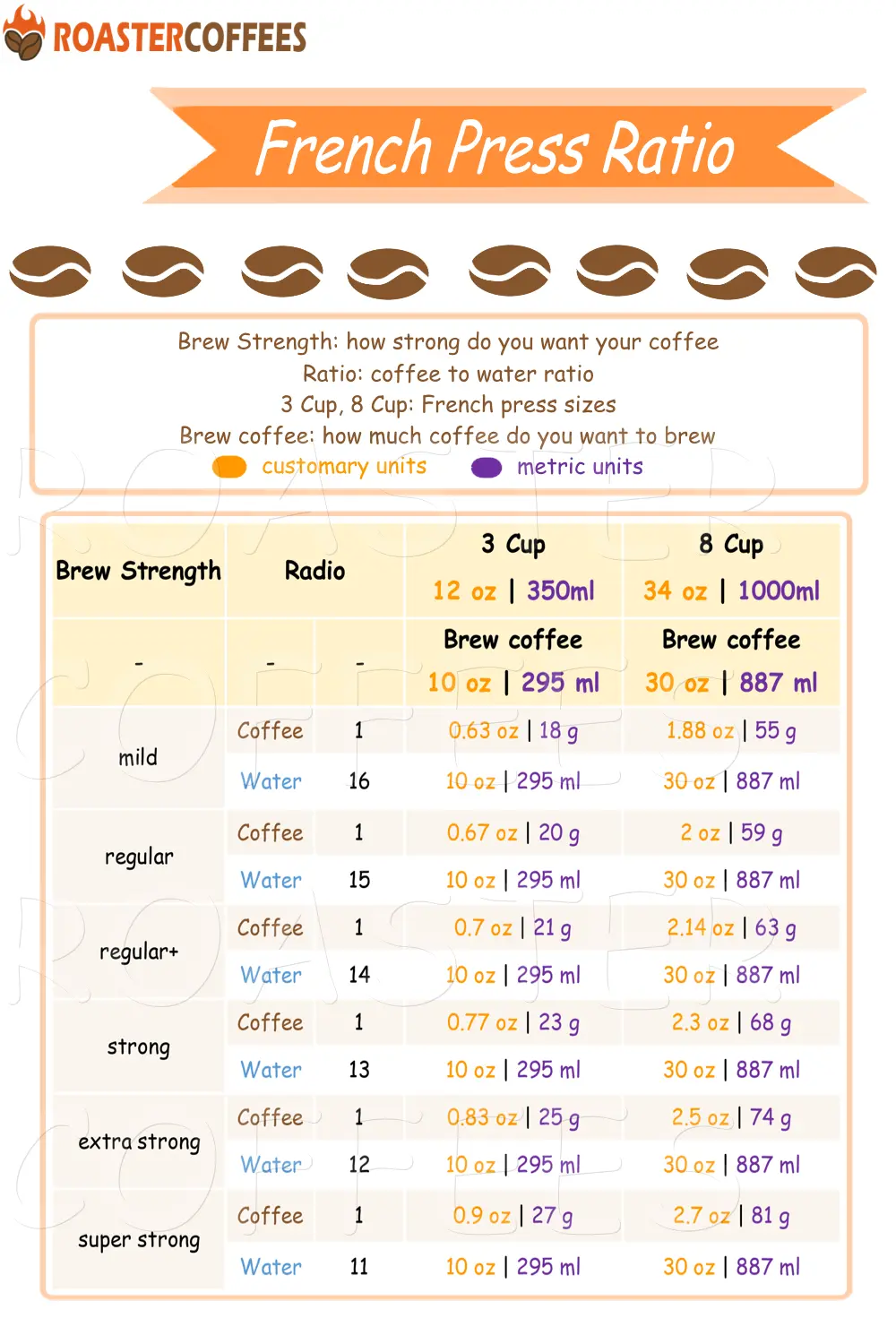
French press coffee uses coarser grounds and a longer extraction time, so the temperature range needs to be maintained for optimal results.
Ideal Temperature Range: 93°C–96°C (199°F–205°F)
Why It Matters: Since French press coffee involves steeping the grounds for several minutes, it benefits from water at the higher end of the temperature spectrum. This ensures full extraction of the coffee’s oils and soluble compounds, resulting in a rich, full-bodied cup.
If the water is too cold, the coffee may lack flavor complexity, and if it’s too hot, the extraction may become too harsh, resulting in bitterness.
Drip Coffee
Drip coffee makers, especially high-quality machines, are designed to brew coffee at specific temperatures. The water is typically heated in a reservoir and then dripped over the coffee grounds.
Ideal Temperature Range: 90°C–96°C (194°F–205°F)
Why It Matters: Consistency in temperature ensures that the water can fully extract the coffee’s flavors. If the water is too cold, the brew will be weak and under-extracted. Too hot, and you risk bitterness and over-extraction.
3. The Importance of Serving Temperature
The temperature at which coffee is served also plays a vital role in how it’s experienced. While the brewing temperature affects extraction, the serving temperature influences how the coffee tastes and feels in your mouth.
Ideal Serving Temperature
Espresso: Ideally served between 65°C (149°F) and 70°C (158°F). This allows the espresso to retain its complex flavors, especially the crema, which forms the base of the espresso shot.
Lattes and Cappuccinos: Served between 55°C (131°F) and 65°C (149°F). These drinks benefit from a lower serving temperature, as it allows the milk’s sweetness to shine while maintaining a comfortable temperature for drinking.
Drip Coffee: Served around 60°C (140°F). While this can vary depending on personal preference, coffee is generally too hot to drink immediately after brewing. Letting it cool slightly will allow for a fuller appreciation of the flavors.
Serving Temperatures and Flavor Perception
The temperature of your coffee significantly impacts its flavor profile. Coffee served too hot will mask some of the more delicate flavors, making it harder to distinguish complex tasting notes like florals, fruits, or spices. Conversely, coffee that’s served too cold can taste flat and stale.
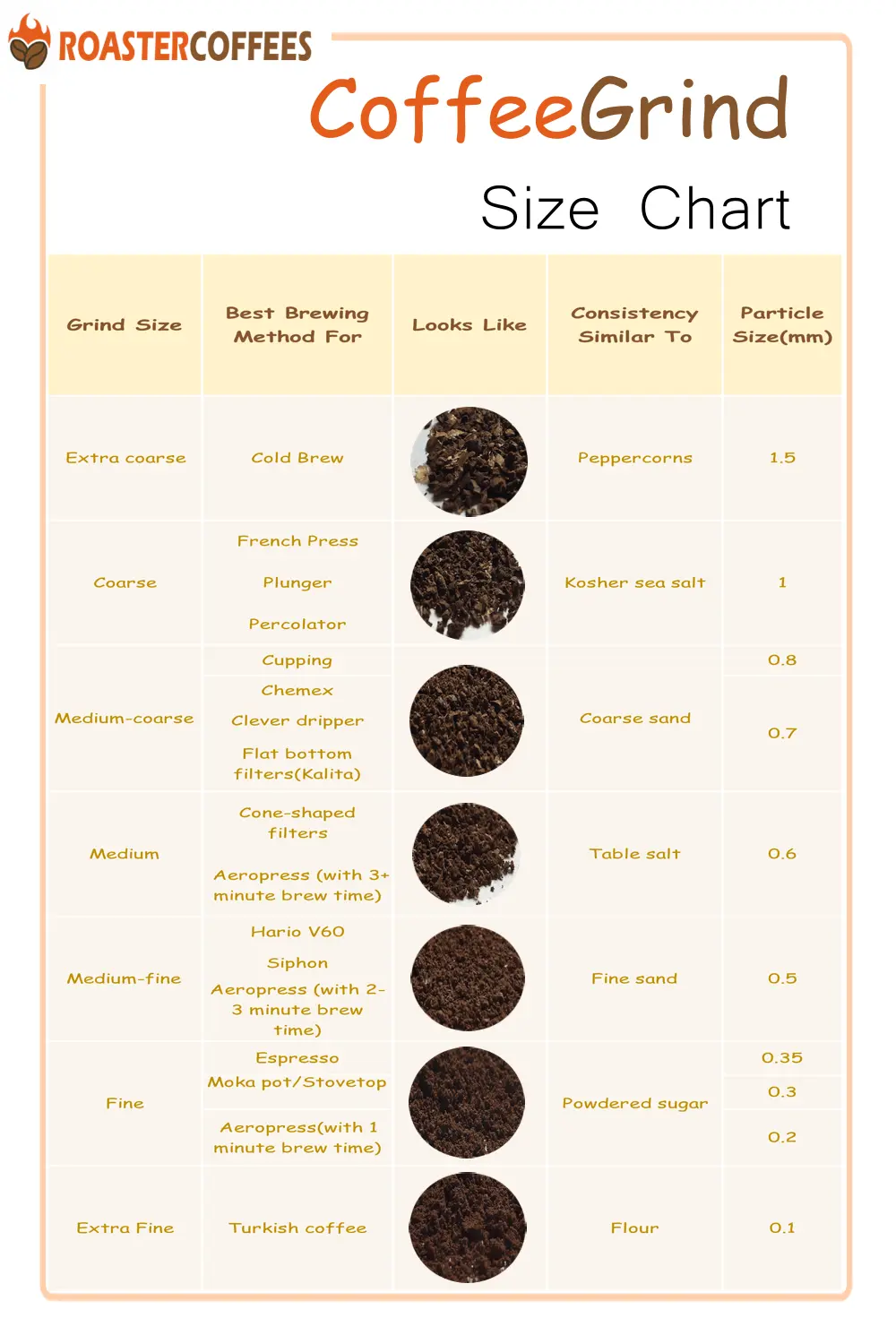
The relationship between water temperature and coffee grind size is essential for achieving balanced extraction and optimal flavor. Water temperature determines how quickly soluble compounds dissolve, while grind size controls how much surface area is available for extraction. Together, they dictate the overall brewing efficiency and taste.
Hotter water (195–205°F or 90–96°C) extracts flavor and caffeine more rapidly. When brewing with higher temperatures, a slightly coarser grind is often appropriate to prevent over-extraction, bitterness, or harsh flavors. For example, in pour-over brewing with very hot water, using a medium or medium-coarse grind helps maintain balance.
Conversely, cooler water extracts more slowly and requires a finer grind to increase surface area and compensate for the slower extraction rate. This is why cold brew—made with room-temperature or cold water—uses a coarse grind but brews for many hours, while lower-temperature immersion methods may call for a finer grind to avoid weak, under-extracted coffee.
Matching the correct temperature–grind combination ensures consistent extraction. Referring to a coffee grind size chart helps identify the ideal grind size for each brewing method, which can then be paired with the proper water temperature. When both variables are aligned, the resulting cup is smoother, more balanced, and true to the coffee’s flavor potential.
4. How to Achieve the Perfect Coffee Temperature
Achieving the ideal temperature for brewing and serving involves more than just turning on your machine and letting it run. Here are some practical tips for achieving the perfect temperature at every stage:
1. Use a Good Thermometer
To monitor the water temperature, invest in a digital thermometer. This is particularly useful for manual methods like pour-over or French press, where temperature can fluctuate.
2. Preheat Your Equipment
Preheating your carafes, cups, or brew vessels ensures that the coffee won’t lose too much heat during brewing or serving. This is especially important for French press and pour-over methods.
3. Invest in a Temperature-Controlled Kettle
A gooseneck kettle with temperature control is ideal for pour-over brewing. It allows you to control the temperature precisely and maintain it during the brewing process.
4. Allow the Coffee to Rest Before Drinking
Let your coffee rest for a few minutes after brewing to reach the optimal drinking temperature. It’s always better to let it cool slightly than to risk burning your tongue with too-hot coffee.
5. The Impact of Temperature on Coffee Quality
Temperature can make or break a coffee’s flavor profile. Here’s a look at how different aspects of the coffee experience are influenced by temperature:
Flavor: The balance of acidity, sweetness, and bitterness is heavily affected by temperature. A too-cold cup will lack vibrancy, while a too-hot cup will taste dull and bitter.
Aroma: Coffee’s aroma is best experienced at optimal temperatures, as heat releases volatile compounds that are crucial to a coffee’s scent.
Mouthfeel: The temperature also affects the perceived body of the coffee. Warmer coffee often has a fuller, richer mouthfeel, while cooler coffee can feel thin and watery.
Conclusion
Coffee temperature is one of the most important—and often overlooked—factors in brewing a great cup of coffee. From extraction to serving temperature, each stage of the coffee-making process relies on precise temperature control to unlock the full potential of the coffee beans. Understanding the science behind coffee temperature will allow you to optimize your brewing techniques, resulting in a more flavorful, balanced cup of coffee.
With this knowledge, you can refine your coffee-making skills and appreciate the subtlety of how temperature affects everything from the coffee’s taste to its aroma. Whether you’re a home brewer or a professional barista, mastering coffee temperature is a step towards creating the perfect cup every time.
References:
The Importance of Roasting Date: What Can You Get from Your Coffee’s Freshness?