
Introduction
In the sweltering heat of summer or the cozy ambiance of a café year-round, iced coffee has cemented its place as a beloved beverage. But what separates a mediocre iced coffee from one that dances on the palate with complexity and balance? As a professional barista and coffee enthusiast, I’ve spent years refining the craft of iced coffee, experimenting with techniques, ratios, and flavors. In this deep dive, we’ll explore the science, creativity, and meticulous attention to detail required to elevate iced coffee from a simple chilled drink to a work of art.

1. The Evolution of Iced Coffee: From Afterthought to Specialty
Iced coffee isn’t just hot coffee poured over ice – it’s a category of its own, with roots tracing back centuries. The earliest recorded iced coffee recipes emerged in 19th-century Algeria, where French soldiers mixed cold water with coffee syrup. Fast-forward to today, and iced coffee has become a global phenomenon, with regional variations like Vietnam’s cà phê đá (strong drip coffee with sweetened condensed milk), Greece’s frappé, and Japan’s kōri kōhī (flash-chilled pour-over).
Regional Deep Dives:
Vietnam’s Cà Phê Đá: This iconic drink uses a small metal phin filter to slowly drip robusta coffee over ice and sweetened condensed milk. The result is a bold, caramelized flavor with a velvety texture.
The caffeine content of iced coffee depends on factors such as the brewing method, coffee-to-water ratio, and serving size. Typically, iced coffee is made by brewing hot coffee and then cooling it over ice, retaining the same caffeine content as its hot counterpart. A standard 16-ounce iced coffee contains approximately 165–200 mg of caffeine, depending on the beans and brewing method used. Cold brew, often confused with iced coffee, has a higher caffeine concentration due to extended steeping. To estimate your caffeine intake based on brew strength and volume, a caffeine calculator can help determine the exact caffeine content.
Greek Frappé: Born in 1957 at the Thessaloniki International Fair, this frothy blend of instant coffee, sugar, water, and milk is shaken vigorously to create a foamy top. It’s a symbol of Greek café culture.
Japanese Iced Coffee: Precision is key here. Brewers use a pour-over method where hot water extracts flavors directly onto ice, preserving bright acidity and floral notes.
Modern specialty coffee shops have redefined iced coffee by treating it with the same reverence as its hot counterpart. The key? Understanding that temperature changes extraction, dilution, and flavor perception. A poorly executed iced coffee often tastes bitter, watery, or overly acidic – a far cry from the bright, smooth, and nuanced profiles achievable with intentional methods.
2. The Science of Cold Extraction: Why Technique Matters
a. Cold Brew vs. Flash-Chilled: Breaking Down Methods
Cold Brew: Steeping coarsely ground coffee in cold water for 12–24 hours produces a low-acidity, naturally sweet concentrate. Ideal for those sensitive to acidity, cold brew’s slow extraction minimizes bitter compounds.
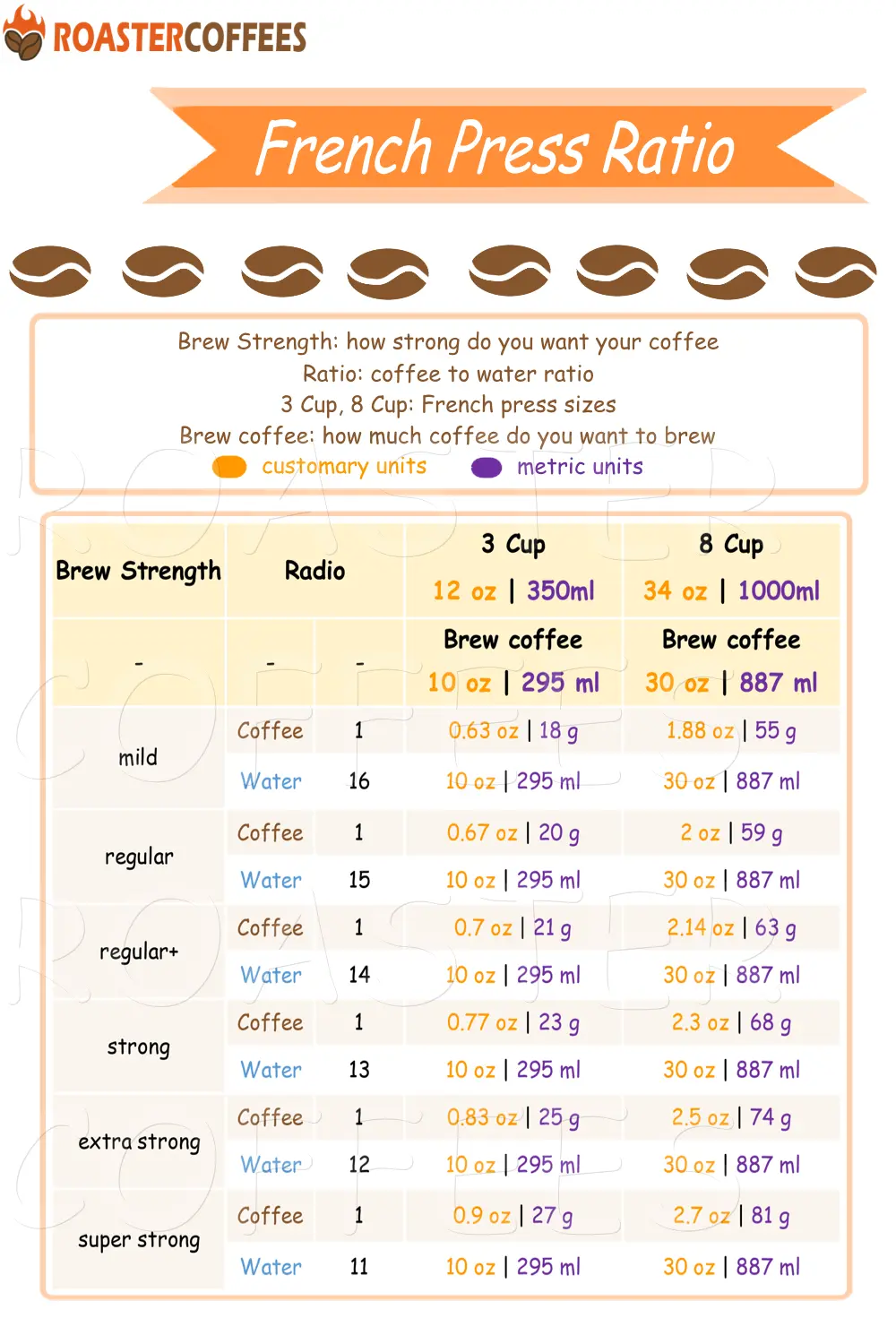
Pro Tip: Use a 1:8 coffee-to-water ratio for concentrate, diluted 1:1 with water or milk.
Advanced Hack: For a cleaner brew, agitate the grounds gently after 6 hours to ensure even extraction.
Japanese Iced Coffee (Flash-Chilled): Brewing hot coffee directly onto ice (typically a 1:1 coffee-to-ice ratio) locks in volatile aromatics while rapidly cooling the brew. This method preserves the origin’s floral or fruity notes, making it a favorite for single-origin lovers.
Pro Tip: Adjust your grind size slightly finer than usual to account for the reduced extraction time.
Science Note: Rapid cooling halts oxidation, preserving delicate flavors that hot-brewed coffee loses as it cools naturally.
Espresso Over Ice: A quick fix but risky – pulling espresso onto ice can shock the shot, amplifying bitterness. For balance, try a lungo shot (longer extraction) or pre-chill the espresso before adding ice.
Pro Tip: Use a ristretto shot (shorter, sweeter pull) for a less astringent base.
b. The Role of Water Quality and Ice
Ice isn’t just a temperature tool – it’s an ingredient. Cloudy, mineral-heavy ice melts unevenly and imparts off-flavors. Use filtered water and clear ice cubes for purity. For cocktails-level sophistication, experiment with coffee ice cubes to prevent dilution.
DIY Coffee Ice Cubes: Freeze leftover cold brew in silicone molds. Add them to milk for a DIY latte or blend into a slushy.
c. Nitro Cold Brew: The Science of Texture
Infusing cold brew with nitrogen gas creates a creamy, Guinness-like texture. The tiny bubbles enhance mouthfeel and sweetness without added calories.
Home Hack: Use a whipped cream charger to nitro-infuse small batches.
3. Beans Matter: Selecting the Right Roast and Origin
Not all beans shine when chilled. Light roasts with bright acidity (Ethiopian Yirgacheffe, Colombian Huila) excel in flash-chilled methods, while medium-dark roasts (Brazilian Santos, Sumatran Mandheling) lend depth to cold brew.
Experiment: Try a naturally processed Ethiopian bean in a Japanese iced coffee – its blueberry notes will sing when chilled. Avoid overly dark roasts; their smoky bitterness can overpower when cold.
Single-Origin Spotlight:
Ethiopian Sidamo: Floral, tea-like notes pair beautifully with flash-chilling.
Guatemala Antigua: Chocolatey undertones shine in cold brew.
Costa Rican Tarrazú: Bright citrus acidity balances well with tonic water in coffee cocktails.
Grind Consistency:
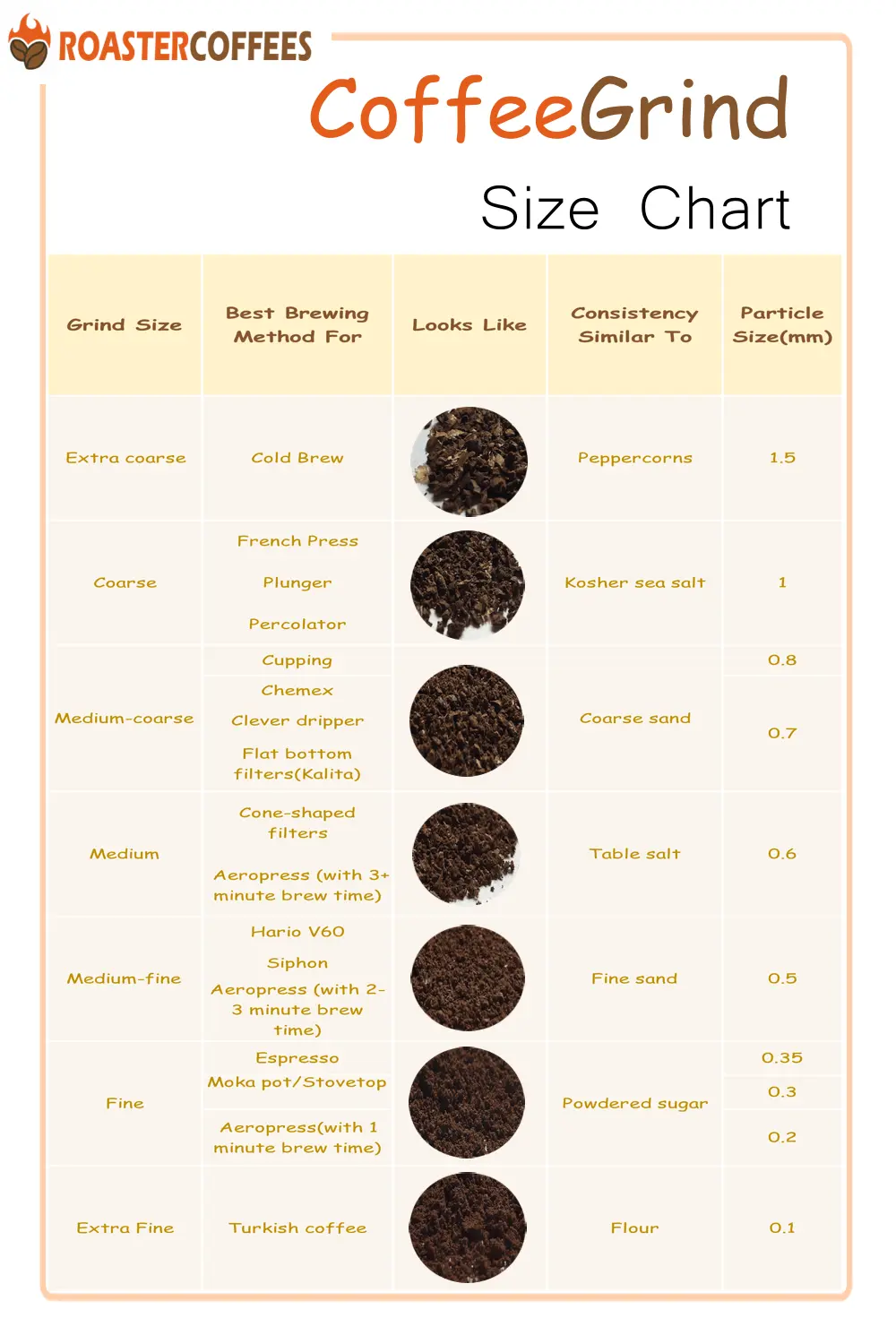
Invest in a burr grinder for uniform particles. Uneven grinds lead to over- or under-extraction. For cold brew, aim for a coarse grind (similar to sea salt).
4. Balancing Flavors: Sweetness, Acidity, and Mouthfeel
a. Sweeteners Beyond Sugar
Simple syrup integrates seamlessly, but consider alternatives:
Agave nectar for a floral touch.
Coconut sugar for caramelized depth.
Vanilla-infused honey for complexity.
b. Dairy and Alternatives
Whole milk adds creaminess, but oat milk’s natural sweetness and frothability make it a barista favorite. For a tropical twist, coconut milk or condensed milk (à la Vietnamese style) adds richness.
Pro Tip: Froth oat milk with a handheld frother for a latte-like texture.
c. Creative Additions
A pinch of sea salt to enhance sweetness.
Citrus zest (orange or lemon) for brightness.
Spices like cinnamon or cardamom steeped in cold brew overnight.
Recipe Idea: Cold brew with orange zest, cinnamon, and a splash of cream for a ”spiced creamsicle” vibe.
5. Presentation: The Visual and Sensory Experience
Iced coffee is as much about aesthetics as taste. Elevate your serve with:
Layered drinks: Float cold foam (whipped cream or frothed milk) atop for texture contrast.
Garnishes: Coffee beans, edible flowers, or cocoa nibs.
Glassware: Mason jars for rustic charm or sleek highball glasses for modern elegance.
The coffee grind size for iced coffee plays a crucial role in flavor extraction and overall strength. The ideal grind size depends on the brewing method used to make iced coffee. If using a drip coffee maker or pour-over method, a medium grind is recommended, similar to sea salt, ensuring balanced extraction without over-extracting bitterness. For cold brew, a coarse grind is best, resembling breadcrumbs, as the extended steeping process (12–24 hours) requires slower extraction to prevent excessive bitterness and acidity.
A coffee grind size chart helps guide the appropriate grind level for different iced coffee brewing methods. For example, espresso-based iced coffee requires a fine grind, similar to table salt, to achieve strong, concentrated flavors. Meanwhile, French press iced coffee also benefits from a coarse grind, preventing over-extraction and sediment in the cup.
Selecting the correct grind size ensures a well-balanced, flavorful iced coffee. A grind that is too fine for drip or cold brew methods can lead to over-extraction and bitterness, while a grind that is too coarse may result in weak, under-extracted coffee. Referring to a coffee grind size chart can help achieve the perfect balance for any iced coffee preparation.
Serving Rituals:
In Japan, iced coffee is often presented with a small carafe of extra brew for refills – a nod to hospitality. Mimic this by serving coffee ice cubes alongside the drink.
6. Common Pitfalls (And How to Avoid Them)
Over-dilution: Use stronger brews or coffee ice cubes.
Math Fix: Brew at double strength if using regular ice.
Serving temperature: Aim for 4–6°C (39–43°F) – too cold numbs the palate.
Stale beans: Grind fresh for every batch to preserve aromatic oils.
Troubleshooting Guide:
Bitter?
Watery? Increase coffee-to-water ratio or chill the brew before adding ice.
7. The Future of Iced Coffee: Innovation and Sustainability
The rise of nitro cold brew (infused with nitrogen for a creamy texture) and eco-friendly practices – like upcycled coffee grounds for ice cubes – showcase the industry’s creativity. Home brewers can explore DIY coffee tonic (espresso + tonic water + citrus) or alcohol-infused variations (coffee liqueur + cold brew).
Sustainability Trends:
Reusable stainless steel straws and compostable cups.
”Closed-loop” cold brew systems that recycle water.
Experimental Recipes:
Iced Coffee Tonic: 1 oz espresso, 4 oz tonic water, orange slice.
Spiked Cold Brew: 2 oz bourbon, 4 oz cold brew, maple syrup to taste.
Conclusion
Mastering iced coffee is an exercise in patience, precision, and passion. Whether you’re a home enthusiast or a professional barista, every element – from bean selection to ice clarity – contributes to the final symphony of flavors. As temperatures rise, let your iced coffee be a testament to the artistry possible in a glass.
Pro Challenge: This week, try brewing the same coffee as cold brew and Japanese iced coffee. Taste side by side – notice how method transforms flavor. Share your results with #IcedCoffeeArt!
References:
How Coffee Processing Methods Influence Chemistry And Taste
The Science Behind Sour Coffee: Unraveling The Mystery Of Acidity In Your Cup