
Coffee is more than just a beverage; it’s a daily ritual for millions of people around the world. Whether it’s a morning cup to kickstart the day or an afternoon pick-me-up, the temperature at which coffee is consumed plays a crucial role in its overall enjoyment. But what is the best temperature to drink coffee? This question has been the subject of much debate among coffee enthusiasts, baristas, and scientists alike. In this article, we will explore the factors that influence the ideal coffee drinking temperature, the science behind it, and how you can achieve the perfect temperature to enhance your coffee experience.

1. The Importance of Coffee Temperature
a. Flavor Perception
One of the most important aspects of enjoying coffee is its flavor. The temperature at which coffee is consumed significantly affects the perception of its flavors. Coffee is a complex beverage, containing hundreds of different compounds that contribute to its taste and aroma. These compounds are volatile and interact differently depending on the temperature of the coffee.
At higher temperatures, the aroma of coffee is more pronounced because the volatile compounds are more active. However, the taste may be perceived as more bitter or harsh. As the coffee cools, the flavors can mellow, and subtler notes, such as sweetness, acidity, and fruitiness, may become more apparent.
b. Safety Concerns
Drinking coffee at excessively high temperatures can be a health risk. Studies have shown that consuming very hot beverages (above 149°F or 65°C) may increase the risk of esophageal cancer. This risk is particularly relevant for those who habitually drink their coffee at high temperatures. Thus, finding a balance between flavor and safety is essential when determining the best drinking temperature for coffee.
c. Personal Preference
While there are general guidelines for the ideal coffee drinking temperature, personal preference plays a significant role. Some people prefer their coffee piping hot, while others enjoy it at a more moderate or even cooler temperature. Understanding your own preferences and how temperature affects your enjoyment of coffee can help you make the most of each cup.
2. The Science Behind Coffee Temperature
a. The Role of Temperature in Flavor Release
Coffee is a complex mixture of chemical compounds, including acids, sugars, fats, and aromatic oils. These compounds are responsible for the flavor profile of coffee, which can range from fruity and floral to nutty and chocolatey. The temperature of the coffee affects how these compounds interact and how they are perceived by the palate.
Water temperature plays a crucial role in extracting caffeine during the coffee brewing process. Higher water temperatures (around 195-205°F or 90-96°C) are more effective at extracting caffeine from coffee grounds. When the water is too cold, less caffeine is extracted, leading to a milder brew with lower caffeine content. On the other hand, if the water is too hot, it can over-extract the coffee, potentially increasing the caffeine content but also resulting in bitter flavors. Optimal water temperature ensures a balanced extraction, maximizing caffeine while preserving the coffee’s desirable taste without over-extracting bitterness. For better information on caffeine content, use an online caffeine calculator.
Volatile Compounds: These are the compounds responsible for the aroma of coffee. They are more active at higher temperatures, which is why freshly brewed coffee has such a strong and enticing aroma. However, at very high temperatures, the aromatic compounds can be overpowering, masking other flavors.
Acidity and Sweetness: As coffee cools, its perceived acidity and sweetness can change. Higher temperatures may accentuate the bitterness of coffee, while lower temperatures can bring out the natural sweetness and acidity, allowing for a more balanced flavor profile.
b. Maillard Reaction and Coffee Aroma
It is responsible for the browning of coffee beans and the development of complex flavors and aromas. The Maillard reaction continues to play a role even after brewing, as the temperature of the coffee can influence the perception of these flavors.
Hot Coffee: At higher temperatures, the Maillard reaction products are more volatile, leading to a stronger aroma and a more intense flavor profile. However, this intensity can also result in a harsher or more bitter taste.
Cooler Coffee: As the coffee cools, the Maillard reaction products become less volatile, leading to a more subdued aroma and a smoother, more balanced flavor profile.
c. Sensory Perception and Temperature
The human palate perceives flavors differently at different temperatures. The sensitivity of taste buds to certain flavors, such as bitterness, sweetness, and acidity, can change depending on the temperature of the food or beverage being consumed.
Bitterness: Bitterness is often more pronounced at higher temperatures. This is why hot coffee can taste more bitter than cooler coffee.
Sweetness: Sweetness is generally perceived more readily at lower temperatures. As coffee cools, its natural sweetness may become more apparent, especially in specialty coffees with fruity or floral notes.
Acidity: Acidity in coffee is often associated with a bright, tangy flavor. At moderate temperatures, the acidity can be more balanced and less sharp, contributing to a well-rounded flavor profile.
3. Ideal Coffee Drinking Temperatures
a. Research on Optimal Temperatures
Various studies have attempted to determine the optimal temperature for drinking coffee. While there is no one-size-fits-all answer, research suggests that the ideal temperature range for enjoying coffee is between 120°F (49°C) and 140°F (60°C).
120°F to 140°F (49°C to 60°C): This temperature range is often considered the sweet spot for coffee consumption. At these temperatures, the coffee is warm enough to release its aromatic compounds and flavor notes without being too hot to drink comfortably. The flavors are generally well-balanced, with a good mix of sweetness, acidity, and bitterness.
Above 149°F (65°C): Coffee consumed at temperatures above 149°F may be too hot for some people and can increase the risk of burns or scalds. Additionally, the higher temperatures can amplify the bitterness of the coffee, potentially masking more delicate flavors.
b. Temperature Preferences Among Coffee Drinkers
Despite the general recommendations, individual preferences for coffee temperature vary widely. Some people prefer their coffee hotter, while others enjoy it at a cooler temperature. These preferences can be influenced by cultural factors, personal taste, and even the specific type of coffee being consumed.
Hot Coffee Enthusiasts: Some people enjoy their coffee at higher temperatures, often above 160°F (71°C). For these drinkers, the intensity of the flavor and the immediate warmth provided by hot coffee are key factors in their enjoyment.
Cool Coffee Lovers: Other coffee drinkers prefer to wait until their coffee cools down to around 120°F (49°C) or lower. These individuals may appreciate the smoother, more balanced flavors that emerge as the coffee cools.
4. How to Achieve the Perfect Coffee Temperature
a. Brewing Techniques and Temperature Control
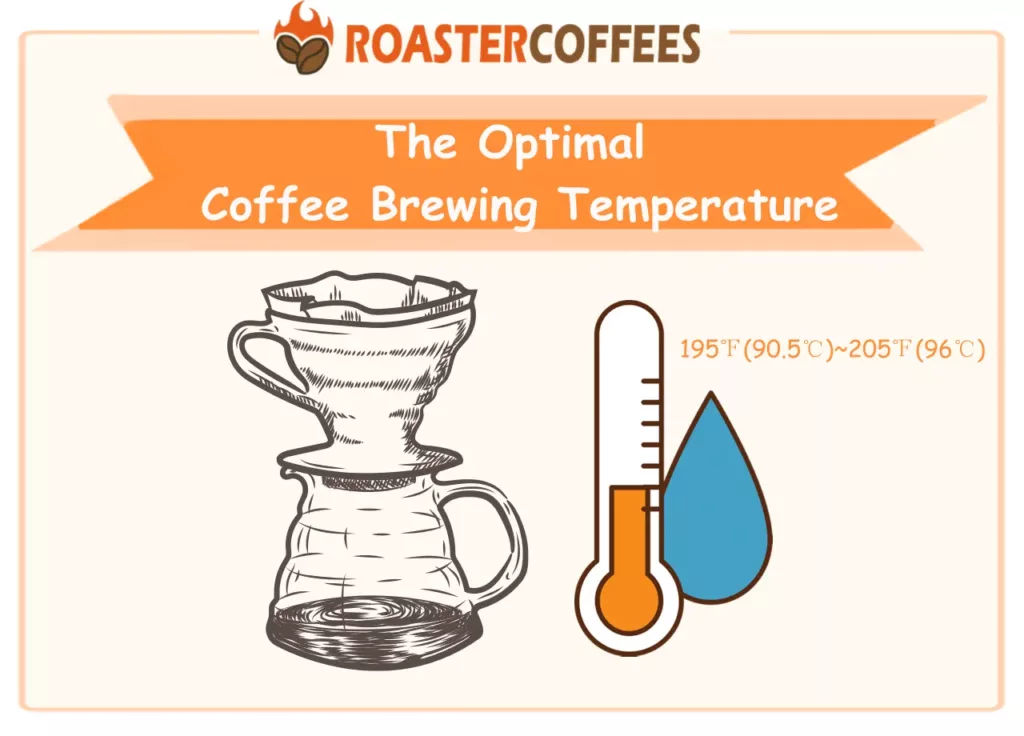
Most coffee brewing methods recommend a water temperature of 195°F to 205°F (90°C to 96°C) to extract the best flavors from the coffee grounds. However, the temperature of the brewed coffee will naturally drop as it is poured and served.
Preheating: Preheating your coffee cup or mug can help maintain the temperature of the coffee for longer. Simply pour hot water into the cup, let it sit for a minute, and then discard the water before adding your coffee. This technique can help prevent the coffee from cooling too quickly.
Brewing Directly into a Thermal Carafe: For those who prefer to enjoy their coffee over an extended period, brewing directly into a thermal carafe can help keep the coffee at the desired temperature without the need for reheating. Thermal carafes are designed to retain heat, allowing you to enjoy warm coffee for hours.
Adjusting Brewing Ratios: The coffee-to-water ratio can also affect the temperature and flavor of your coffee. Experimenting with different ratios can help you find the perfect balance of flavor and temperature for your personal taste.
b. Serving and Drinking Tips
Once your coffee is brewed, there are several ways to ensure it is enjoyed at the ideal temperature.
Stirring: Stirring your coffee can help evenly distribute the heat and ensure a consistent temperature throughout the cup. This is especially useful if your coffee has been sitting for a few minutes and has started to cool unevenly.
Water temperature significantly impacts the flavor of a macchiato. The espresso shot, which is the base of a macchiato, is best brewed at an optimal coffee brewing temperature (195-205°F or 90-96°C). This ensures proper extraction of the coffee’s essential oils, flavors, and caffeine. If the water is too hot, it can over-extract the espresso, leading to a bitter and harsh taste, which may overpower the macchiato’s balance. Conversely, if the water is too cold, under-extraction occurs, resulting in a sour and weak flavor. The right water temperature creates a harmonious blend of bold espresso with the creamy, velvety milk foam.
Waiting Time: If your coffee is too hot to drink immediately, waiting a few minutes can allow it to cool to a more comfortable temperature. This brief waiting period can also help the flavors to settle and become more balanced.
Using a Coffee Warmer: For those who like to sip their coffee slowly, a coffee warmer can help maintain the desired temperature without overheating the coffee. Coffee warmers typically keep the coffee at a consistent temperature, preventing it from cooling down too quickly.
5. Cultural Variations in Coffee Drinking Temperature
a. Coffee Temperature Around the World
Different cultures have varying preferences for the temperature at which coffee is consumed. These preferences are often shaped by traditional brewing methods, local climate, and cultural norms.
Italy: In Italy, espresso is typically served at a higher temperature, around 160°F (71°C) to 165°F (74°C). The quick consumption of espresso, often in a few sips, allows for a higher temperature without the risk of discomfort. The intense flavor and small volume of espresso also contribute to the preference for a hotter beverage.
United States: In the United States, drip coffee is commonly consumed at a temperature range of 140°F (60°C) to 160°F (71°C). The larger serving sizes and the preference for adding cream or milk often result in a slightly lower drinking temperature compared to espresso.
Japan: In Japan, coffee is often served at a slightly cooler temperature, especially when brewed using methods such as pour-over or siphon brewing. The focus on delicate flavors and the intricate brewing process aligns with a preference for coffee temperatures around 130°F (54°C) to 140°F (60°C).
Nordic Countries: In Nordic countries, where light roast coffee is popular, the drinking temperature is often lower, around 120°F (49°C) to 130°F (54°C). The emphasis on acidity and brightness in the flavor profile is better appreciated at these cooler temperatures.
b. Influence of Climate on Coffee Temperature Preferences
The climate of a region can also influence the preferred temperature for drinking coffee. In colder climates, people may prefer hotter coffee to provide warmth and comfort. Conversely, in warmer climates, a cooler cup of coffee may be more refreshing and enjoyable.
Cold Climates: In regions with cold winters, such as Scandinavia or Canada, hot coffee is often favored as a way to stay warm. The higher drinking temperature also helps counteract the cold air, ensuring that the coffee remains enjoyable even as it cools.
Hot Climates: In tropical or desert regions, people may prefer their coffee at a lower temperature or opt for iced coffee instead. In these climates, a cooler cup of coffee can be more refreshing and less likely to cause overheating.
The optimal coffee brewing temperature ranges from 195°F to 205°F (90°C to 96°C). This range allows for the ideal extraction of flavors, caffeine, and essential oils from the coffee grounds. Water below 195°F can lead to under-extraction, resulting in a weak and sour taste. On the other hand, water above 205°F can cause over-extraction, producing a bitter and burnt flavor. Maintaining the proper brewing temperature helps to balance acidity, sweetness, and bitterness, creating a well-rounded cup of coffee with complex flavors. This temperature range applies to various brewing methods, including pour-over, espresso, and drip coffee.
6. The Future of Coffee Temperature Control
a. Technological Advances in Coffee Temperature Management
As coffee culture continues to evolve, so too do the tools and technologies available to help manage and maintain the ideal coffee temperature.
Smart Mugs: Smart mugs, such as those with temperature control features, allow users to set and maintain their desired coffee temperature. These mugs are equipped with heating elements and sensors that adjust the temperature to the user’s preference, ensuring that the coffee stays at the perfect temperature from the first sip to the last.
Temperature-Sensitive Lids: Some coffee cup lids are designed to change color based on the temperature of the coffee. These lids provide a visual cue, helping users determine when their coffee has reached the ideal drinking temperature.
Temperature-Regulating Coasters: Temperature-regulating coasters can help maintain the warmth of your coffee without overheating it. These coasters use thermoelectric technology to keep the coffee at a consistent temperature, ensuring a more enjoyable drinking experience.
b. Sustainable Practices and Temperature Control
With the growing emphasis on sustainability in the coffee industry, temperature control is also being integrated into practices that minimize waste and energy consumption.
Reusable Thermal Cups: Reusable thermal cups and mugs not only help reduce waste from disposable cups but also help maintain the coffee at the desired temperature for longer periods. These cups are insulated, keeping the coffee warm without the need for additional heating.
Energy-Efficient Coffee Makers: Energy-efficient coffee makers are designed to brew coffee at the optimal temperature while minimizing energy use. These machines often include features such as programmable temperature settings, ensuring that the coffee is brewed and served at the ideal temperature without wasting energy.
7. Conclusion
The best drinking temperature for coffee is a balance between flavor, safety, and personal preference. While research suggests that the ideal temperature range for enjoying coffee is between 120°F (49°C) and 140°F (60°C), individual preferences and cultural factors play a significant role in determining the perfect temperature for each person.
Understanding how temperature affects the flavor and aroma of coffee can enhance your appreciation of this beloved beverage. Whether you prefer your coffee piping hot or slightly cooled, taking the time to experiment with different temperatures can lead to a more enjoyable and satisfying coffee experience.
As technology continues to advance, new tools and innovations will likely emerge, offering even greater control over coffee temperature and further enhancing the drinking experience. By paying attention to the temperature at which you enjoy your coffee, you can unlock new dimensions of flavor and ensure that every cup is as delicious as possible.
References:
Why Roast Coffee?
The Art of Brewing: Drip Coffee vs. Espresso